How to use this resource: Treat this as expert-crafted reference material to guide your own work — never submit it as-is. Need personalised help? Book a session with a nursing expert →
Every ward has a nurse who makes the whole team better. Not because they are the loudest voice in the room, but because they understand people, anticipate problems and know how to bring others along with them through change.
Leadership in health and social care is not a personality trait. It is a skill. And like every clinical skill, it can be learned, practised and refined with the right knowledge and the right frameworks behind it.
This learning guide challenges you to think critically about what effective leadership looks like in complex health and social care environments and how change management theory translates into real, measurable improvements in patient care.
The Clinical Learning Challenge
You have been asked to critically analyse leadership and change management within a health and social care setting relevant to your nursing practice. Your analysis must demonstrate a clear understanding of key leadership theories, change management models and the role of the nurse as both a leader and an agent of change within a multidisciplinary team.
Your Learning Challenge
Work through the following questions as you develop your analysis:
-
What leadership style or theory best describes the approach taken in your chosen health and social care setting and what evidence supports that assessment?
-
How do transformational, transactional and distributed leadership models apply to nursing practice and which is most effective in complex multidisciplinary environments?
-
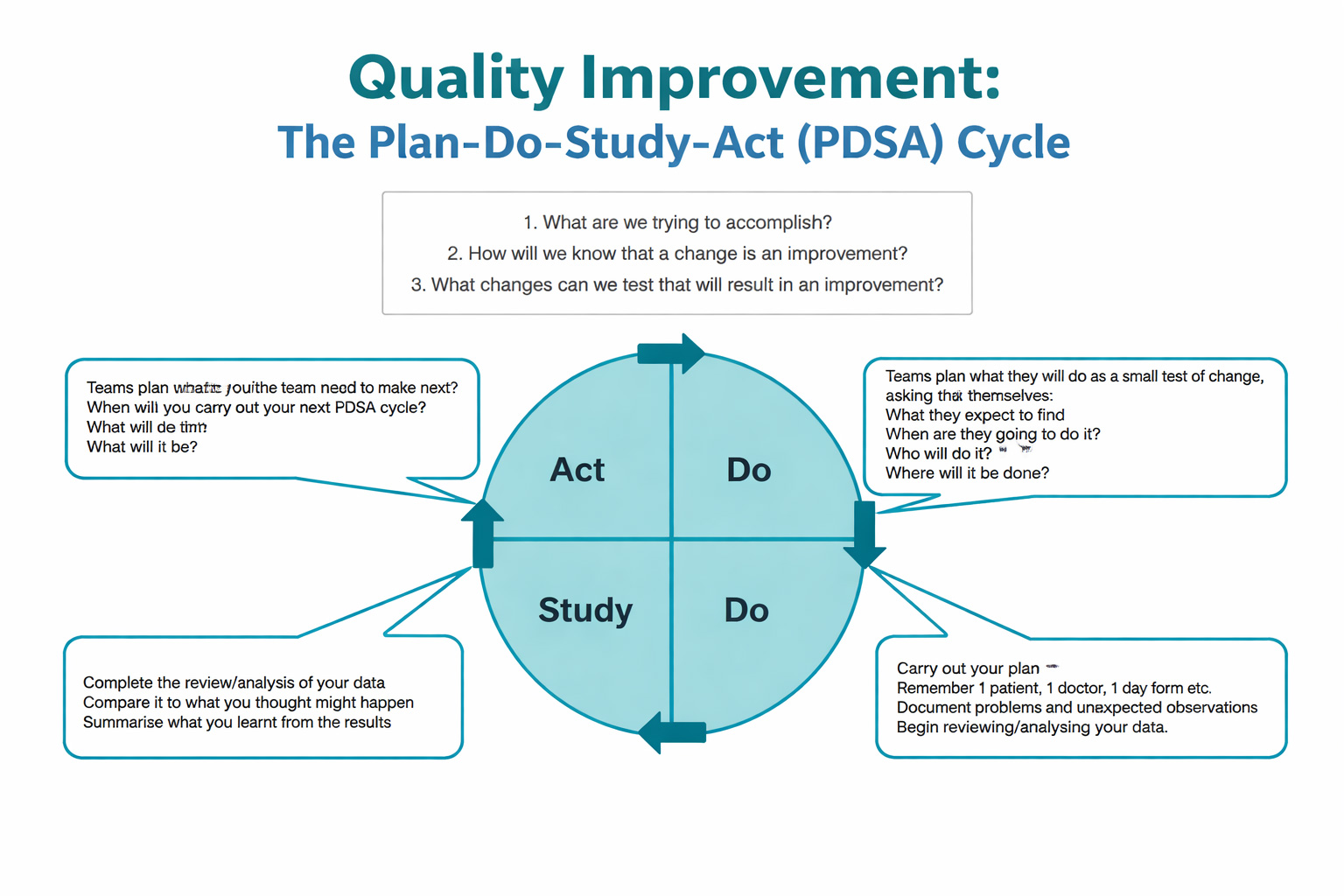
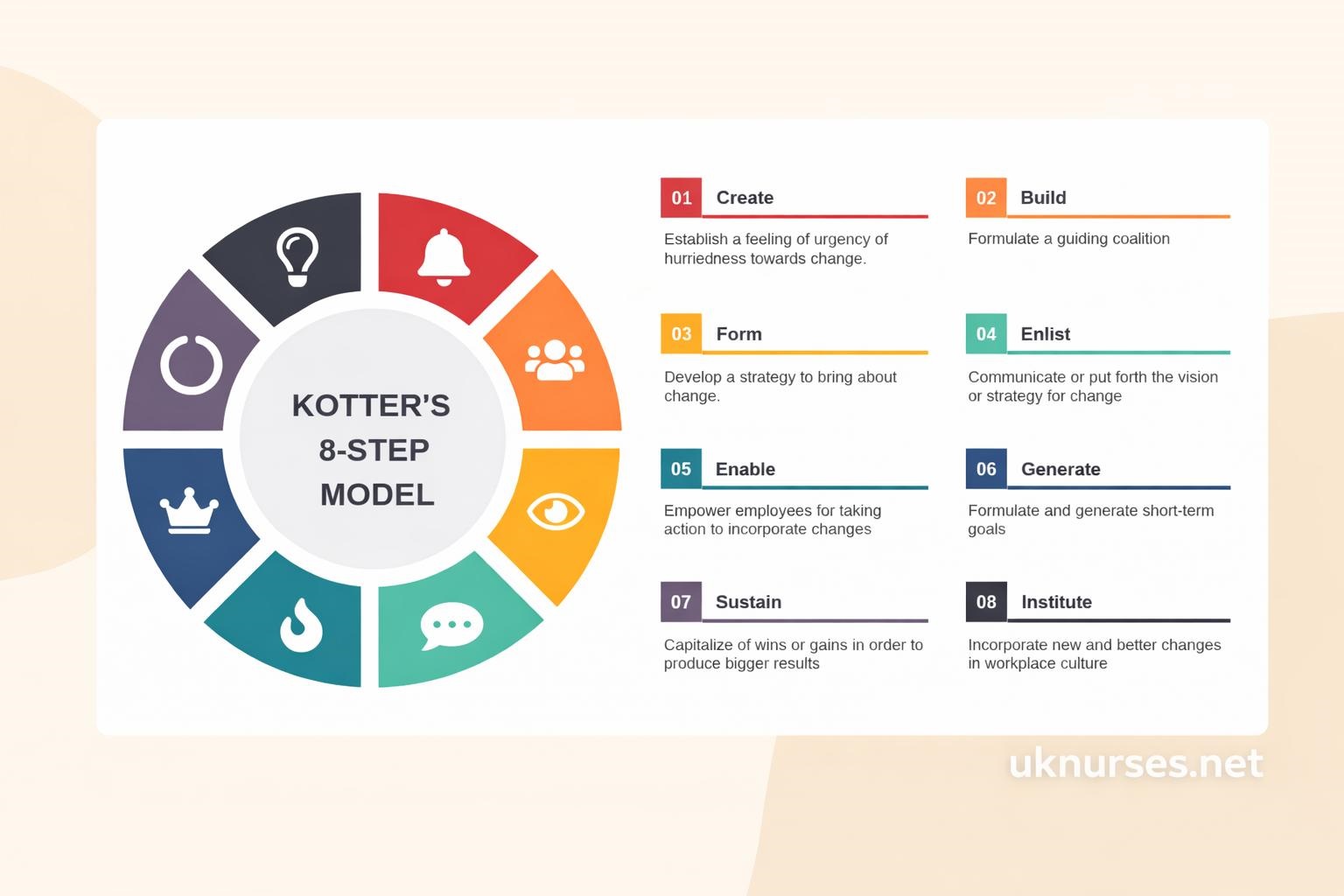
Which change management model, Lewin, Kotter, or another, best supports the implementation of sustainable change in your chosen setting and why?
-
What barriers to change exist in health and social care organisations and how can nurse leaders effectively overcome them?
-
How does the NMC Code 2018 underpin the responsibilities of nurse leaders in driving quality improvement and managing change?
-
What is the relationship between effective leadership and positive patient outcomes in your chosen setting?
-
How can nurses at every level, not just those in senior roles, demonstrate leadership in their daily practice?
Key Learning Areas
|
Area |
Focus |
|
Leadership Theories |
Transformational, transactional and distributed leadership in nursing |
|
Change Management Models |
Lewin, Kotter and their application to health and social care |
|
Multidisciplinary Teamwork |
Leading and managing change across complex professional teams |
|
NMC Code 2018 |
Professional leadership responsibilities for registered nurses |
|
Barriers to Change |
Identifying and overcoming resistance in health and social care organisations |
|
Patient Outcomes |
The relationship between effective leadership and quality of care |
Need Guidance Working Through a Topic Like This?
Leadership and change management sit at the intersection of theory, professional practice and real-world clinical experience. Pulling all three together into a coherent, critically analytical piece of academic work is one of the most challenging tasks in any nursing programme.
At UKNurses, our experienced nursing professionals provide expert academic guidance to BSN and MSN nursing students across the UK, Australia, New Zealand, Ireland, Scotland and Wales, helping you think critically, argue confidently and produce work that demonstrates genuine leadership insight.
Connect with a nursing expert at UKNurses today.